
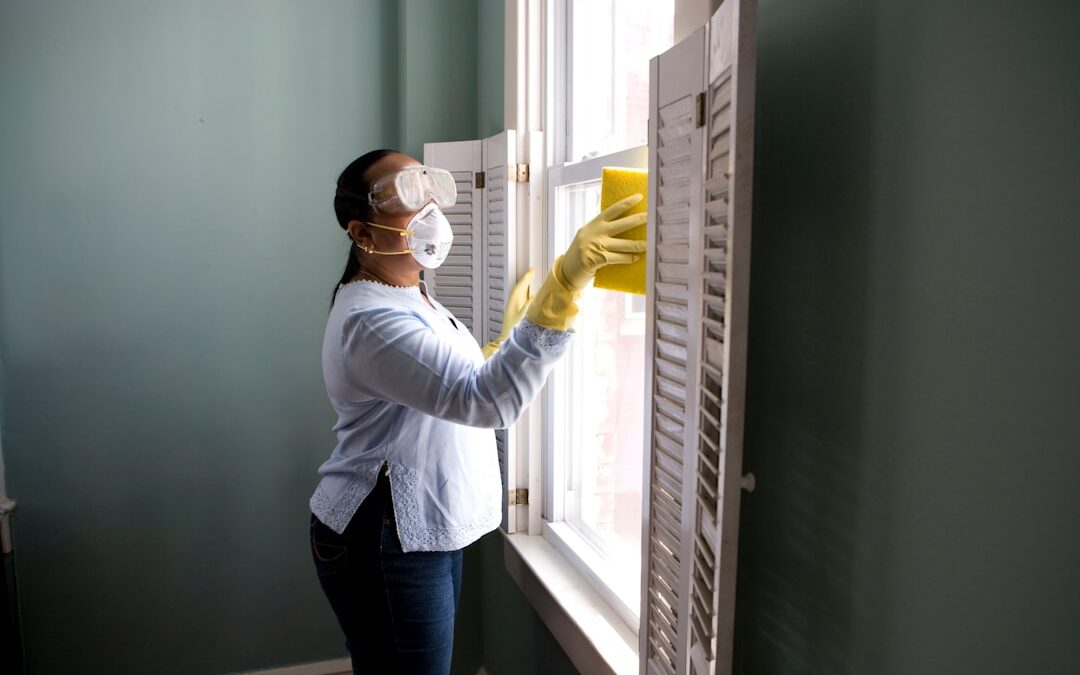
Maintaining a pristine healthcare environment is not merely a matter of aesthetic appeal. For practice managers and facility directors, clinical hygiene is a critical component of patient safety, risk management, and regulatory compliance. When operating a healthcare facility, partnering with a specialized medical office cleaning service is the most effective way to mitigate cross contamination and protect vulnerable patients. The standards required by regulatory bodies are rigorous, and navigating these requirements demands a highly trained team equipped with advanced methodologies.
At Ominta Group, our Ominta Commercial division understands the immense responsibility that comes with healthcare facility management. We bring decades of expertise to the table, ensuring that every clinic, surgical centre, and general practice we service adheres strictly to industry standard protocols. Finding a reliable medical office cleaning service Adelaide healthcare providers can trust requires looking beyond basic janitorial work. It requires a deep understanding of environmental science, chemical efficacy, and stringent auditing processes.
The Critical Role of a Medical Office Cleaning Service in Adelaide
Healthcare environments present unique challenges that standard commercial cleaning simply cannot address. In a medical facility, the presence of pathogens, bodily fluids, and infectious agents creates a high-risk ecosystem. The primary objective of our team is to break the chain of infection. This is achieved through meticulous surface remediation and the strategic application of hospital grade disinfectants.
Adelaide presents its own specific environmental factors that facility managers must consider. The dry climate and frequent dust from the Adelaide Plains can introduce significant particulate matter into waiting rooms and clinical corridors. When patients track this environmental debris into a facility, it compromises indoor air quality and settles on high touch surfaces. A professional medical office cleaning service Adelaide clinics rely on must account for these local weather patterns. We implement heavy duty entry matting solutions and advanced HEPA filtration vacuuming to capture airborne dust before it can circulate through the HVAC system.
Furthermore, SA Health enforces strict environmental cleaning guidelines designed to protect both the public and healthcare workers. Compliance with these directives is non negotiable. Facilities that fail to meet these hygiene benchmarks face severe reputational damage, potential facility closures, and significant legal liabilities. Our team operates with a compliance first mindset, ensuring your facility is always prepared for unannounced regulatory audits.
SA Health Standards and Environmental Risk Stratification
To achieve true clinical hygiene, a facility must be categorized by risk. SA Health guidelines dictate that cleaning frequencies and methodologies must align with the functional risk of each specific area within the building. We approach every site audit by mapping out these distinct zones to create a customized scope of works.
Understanding Risk Zones in Medical Facilities
Very High Risk Areas: These include operating theatres, intensive care units, and minor procedure rooms. These environments demand terminal cleaning protocols. Our team utilizes highly specific, pH balanced chemical agents to reduce the pathogen load to the lowest possible levels without degrading sensitive medical equipment.
High Risk Areas: Emergency departments, isolation rooms, and infectious disease consultation rooms fall into this category. The focus here is on rapid response sanitization and strict biohazard management. We deploy targeted chemical solutions that require specific dwell times to ensure maximum efficacy against resilient bacteria and viruses.
Significant Risk Areas: General wards, pathology laboratories, and standard consultation rooms require daily, intensive cleaning. We prioritize high foot traffic sanitation, paying close attention to examination beds, medical countertops, and hand hygiene stations.
Low Risk Areas: Administrative offices, staff break rooms, and waiting areas are classified as low risk, but they still serve as the primary entry point for environmental contaminants. Our strategy involves thorough daily maintenance to prevent these zones from becoming reservoirs for cross contamination.
5 Essential Cleaning Protocols for Medical Centres
Achieving Position 0 in hygiene standards requires strict adherence to evidence based protocols. Google and healthcare auditors alike value clear, documented processes. Here are the foundational methodologies our team implements to ensure your facility remains OH&S compliant.
* 1. Hospital Grade Disinfectants: We utilize only disinfectants that have been rigorously tested and approved by the Therapeutic Goods Administration (TGA). These chemicals are specifically formulated to neutralize broad spectrum pathogens. Our staff are extensively trained on chemical dwell times, ensuring the product remains wet on the surface long enough to achieve intended microbial reduction.
* 2. Microfiber Color Coding: To completely eliminate the risk of cross contamination between restrooms and clinical areas, we enforce a strict visual management system. Specific colored microfiber cloths and mop heads are designated for specific zones. For example, materials used in washrooms are never introduced into a sterile consultation room.
* 3. High Touch Surface Remediation: Pathogens thrive on frequently handled objects. Our daily scope of works mandates the intensive sanitization of door handles, light switches, reception desks, elevator buttons, and waiting room chairs. This targeted approach dramatically reduces the transmission of healthcare associated infections.
* 4. HEPA Filtration Vacuuming: Sweeping or using standard vacuums simply redistributes microscopic dust and allergens back into the air. We utilize commercial vacuums equipped with High Efficiency Particulate Air (HEPA) filters. These systems capture particles as small as 0.3 microns, significantly improving the air quality within your medical facility.
* 5. Biohazard and Sharps Protocol: Managing bodily fluids requires specialized intervention. Our staff receive comprehensive training in bloodborne pathogen safety and the correct procedures for isolating, neutralizing, and removing biological spills safely and compliantly.
The Science of Infection Control and Cross Contamination Protocols
The difference between visually clean and clinically hygienic comes down to chemistry and physics. Many facility managers are surprised to learn that applying bleach to every surface is an outdated and often harmful practice. Bleach can cause severe tile degradation, corrode expensive medical machinery, and trigger respiratory issues for sensitive patients.
Instead, our Ominta Commercial team relies on advanced quaternary ammonium compounds and hydrogen peroxide based solutions. These chemicals are highly effective at disrupting the cellular walls of bacteria while remaining gentle on facility infrastructure. We also leverage the physical properties of microfiber technology. Microfiber strands are incredibly fine, allowing them to lift and trap microscopic debris through van der Waals forces rather than simply pushing dirt around the surface.
Mechanical cleaning must always precede chemical disinfection. If a surface is covered in organic matter, the disinfectant cannot penetrate to neutralize the underlying pathogens. Our two step process ensures that all surfaces are first cleansed of physical debris before the hospital grade disinfectants are applied. This scientific approach guarantees that your medical office cleaning service is genuinely protecting your patients.
Ominta Commercial Onboarding: The Site Audit and Implementation Process
Transitioning to a new facility management partner is a significant decision for corporate decision makers. We recognize that medical practices cannot afford operational downtime or lapses in hygiene during a handover. To ensure a seamless transition, we have developed a highly organized onboarding process tailored specifically for the healthcare sector.
Step 1: The Initial Site Audit
When you contact our team to request a quote, we do not simply provide a generic estimate. We conduct a comprehensive, on site environmental audit. We assess your current hygiene standards, identify high risk cross contamination points, and evaluate the specific foot traffic patterns of your clinic.
Step 2: Customized Scope of Works
Based on the audit, we develop a tailored cleaning matrix. This document outlines exactly which tasks will be performed daily, weekly, and monthly. We align this scope directly with SA Health guidelines to ensure total regulatory compliance. We also determine the optimal times for our team to operate, ensuring zero disruption to your patient care schedule.
Step 3: Specialized Staff Deployment
We do not use temporary or untrained labor for medical environments. The personnel assigned to your facility undergo rigorous background checks, hold necessary immunizations, and receive site specific training. They are educated on your unique facility layout and the precise OH&S compliant procedures required for your clinic.
Step 4: Baseline ATP Testing
To prove the efficacy of our methods, we often utilize Adenosine Triphosphate (ATP) testing during the initial phases. ATP meters measure the relative light units emitted by cellular residue on surfaces. This scientific metric allows us to establish a hygiene baseline and continuously measure the improvement in your facility’s cleanliness.
For more information on how we structure our corporate partnerships, we encourage facility managers to review our comprehensive [commercial cleaning solutions](https://omintagroup.com.au/commercial-cleaning/).
Why Standard Commercial Cleaning Fails in Medical Facilities
A common critical error made by medical practice managers is hiring a standard office cleaning company to maintain a clinical environment. General commercial cleaners are trained to empty bins, vacuum carpets, and wipe down desks. They are rarely educated on the complex chain of infection or the specific chemical dwell times required to neutralize healthcare associated pathogens.
When standard cleaners use the same mop bucket for the staff kitchen and the minor procedure room, they actively facilitate cross contamination. Furthermore, standard cleaning companies often lack the sophisticated quality assurance frameworks necessary to survive a formal health audit. In the medical sector, if a cleaning task is not documented, auditors consider it incomplete.
By partnering with a specialized medical office cleaning service, you are investing in risk management. Our team provides the detailed reporting metrics, the specialized equipment, and the highly trained personnel required to safeguard your practice’s reputation and your patients’ wellbeing. You can learn more about our commitment to excellence on our [About Us page](https://omintagroup.com.au/about-us/).
Navigating Adelaide Local Environmental Factors in Clinic Hygiene
Facility maintenance is never a one size fits all endeavor. The local environment dictates the specific challenges a building will face. In Adelaide, the combination of extreme summer heat and dry, dusty winds creates a unique set of circumstances for medical facilities.
During the warmer months, the dry environment increases the amount of airborne particulate matter. When patients enter the clinic, they bring this dust, pollen, and debris inside. If not managed correctly, this particulate matter settles on clinical surfaces and forces the HVAC system to work overtime, potentially circulating allergens through the waiting rooms.
Our team combats these local Adelaide factors by implementing aggressive dust control measures. We focus heavily on entrance matting maintenance, daily HEPA vacuuming, and the damp wiping of all horizontal surfaces to capture dust rather than dispersing it. During the wetter winter months, our focus shifts to moisture control, ensuring that wet floors do not become slip hazards or breeding grounds for bacterial growth in the facility’s entryways.
Quality Assurance, Reporting Metrics, and OH&S Compliance
In the highly regulated healthcare sector, transparency is paramount. Facility managers require absolute certainty that the agreed upon scope of works is being executed flawlessly every single night. Ominta Group utilizes sophisticated digital reporting systems to provide this peace of mind.
Our quality assurance framework includes regular, unannounced site inspections conducted by our senior operations managers. These audits measure the cleanliness of the facility against strict key performance indicators. We log all data digitally, providing practice managers with transparent reporting metrics that can be presented during SA Health accreditation reviews.
Safety is deeply ingrained in our corporate culture. Every chemical we use is accompanied by an accessible Safety Data Sheet (SDS). All electrical equipment is regularly tested and tagged. Our staff are trained in manual handling, hazard identification, and emergency response protocols. This unwavering commitment to OH&S compliance ensures that your facility is not only clinically clean but also a fundamentally safe environment for your staff and patients. If you are ready to elevate your facility standards, please reach out via our [contact page](https://omintagroup.com.au/contact-us/).
Frequently Asked Questions
What is the difference between general cleaning and medical cleaning?
General cleaning focuses on visual aesthetics and basic hygiene, utilizing standard chemicals and equipment. Medical cleaning is a highly specialized service that prioritizes infection control, utilizing TGA approved hospital grade disinfectants, strict color coding systems, and evidence based methodologies to neutralize pathogens and prevent cross contamination.
How often should a medical office be deep cleaned?
While standard clinical surfaces require intensive daily sanitization, a comprehensive deep clean should be scheduled quarterly or bi annually depending on patient volume. Deep cleaning involves the remediation of hard to reach areas, intensive floor scrubbing, and the detailed sanitization of HVAC vents and high level fixtures.
Do you use TGA approved hospital grade disinfectants?
Yes, our team exclusively uses chemicals that have been rigorously tested and approved by the Therapeutic Goods Administration for use in healthcare environments. We ensure all staff are trained on the specific dilution rates and dwell times required to maximize the efficacy of these disinfectants.
How do you prevent cross contamination between clinical and waiting areas?
We implement a strict visual management system utilizing color coded microfiber cloths and mop heads. This ensures that cleaning materials used in high risk areas or restrooms are never introduced into sterile clinical zones or patient waiting rooms, effectively breaking the chain of infection.
What reporting is provided for SA Health compliance audits?
We provide comprehensive digital logs, detailed scopes of work, Safety Data Sheets for all chemicals used, and regular quality assurance audit reports. These transparent reporting metrics ensure your practice manager has all the necessary documentation to demonstrate strict compliance during unannounced health inspections.